This is one of the most frequent questions when I was working in Japanese restaurants in Hong Kong. Sake is more popular than Japanese Shochu, there are lots of Sake breweries who already have been exporting their products.
When it comes to Shochu, you may think it is a Korean drink, but we have a lot of Shochu in Japan, too. Today, I am going to write what the difference between the two of them. If you want to try some Sake or Shochu in Japan, this article might be helpful for you.
"There are 3 big differences.
1. the making process
2. ingredients
3. drinking methods."
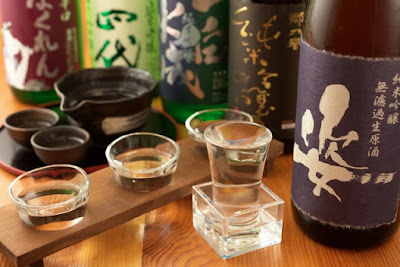
This is the biggest difference, I think. Sake is not distilled just like wine, and Shochu is distilled beverage same as whisky or vodka.
That is why Shochu usually contains more alcohol than Sake does. Shochu has 25 to 40% alcohol content, whilst most Sake only contains about 15 to 18%.
The end of the process of Sake-brewing, most of the time, they add some water to reduce its alcohol content. However, the recent trend is not adding water at the end, so that they can produce stronger Sake, Even so, the strongest Sake only has 21%, as long as I know.
When it comes to Shochu, you may think it is a Korean drink, but we have a lot of Shochu in Japan, too. Today, I am going to write what the difference between the two of them. If you want to try some Sake or Shochu in Japan, this article might be helpful for you.
3 big differences between Sake and Shochu
When people asked about this, I would always answer;"There are 3 big differences.
1. the making process
2. ingredients
3. drinking methods."
Shochu is distilled, Sake is not distilled
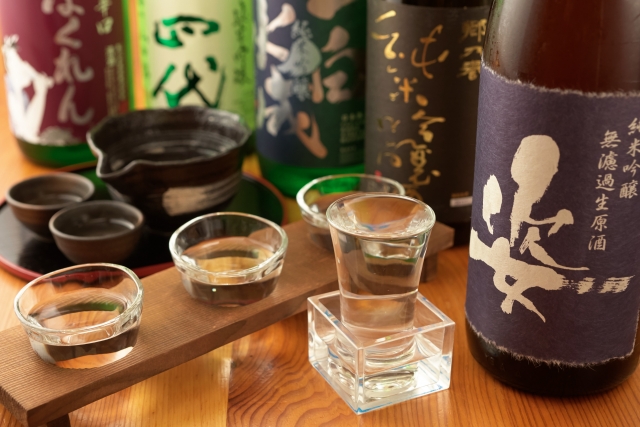
This is the biggest difference, I think. Sake is not distilled just like wine, and Shochu is distilled beverage same as whisky or vodka.
That is why Shochu usually contains more alcohol than Sake does. Shochu has 25 to 40% alcohol content, whilst most Sake only contains about 15 to 18%.
The end of the process of Sake-brewing, most of the time, they add some water to reduce its alcohol content. However, the recent trend is not adding water at the end, so that they can produce stronger Sake, Even so, the strongest Sake only has 21%, as long as I know.
Comments
Post a Comment